



Enhancing EV Charging Network Management
EV Charging Network Management: Enhancing User Support, Reporting, and Remote Control As the demand for electric vehicles (EVs) continues to rise, the need…
By Feathers Ledbury Editorial3 min read
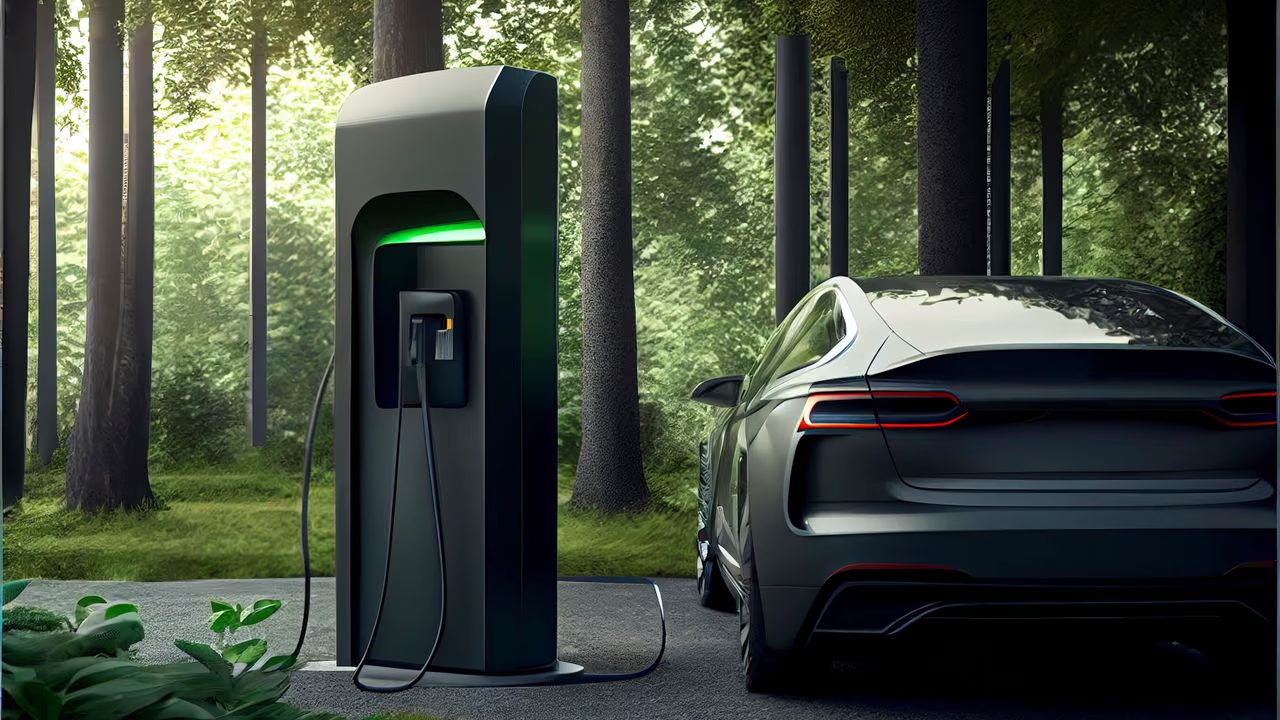
EV Charging Network Management: Enhancing User Support, Reporting, and Remote Control
As the demand for electric vehicles (EVs) continues to rise, the need for a robust and efficient EV charging network becomes increasingly important. EV charging network management plays a crucial role in ensuring a seamless charging experience for EV owners. In this article, we will explore the key aspects of EV charging network management, including user support, reporting, and remote control.
User Support
Providing excellent user support is essential for any EV charging network. EV owners rely on the charging network to conveniently charge their vehicles, and any issues or concerns they encounter can significantly impact their overall experience. To enhance user support, charging network operators should consider implementing the following strategies:
- 24/7 Helpline: Offering a dedicated helpline that is available round the clock can help users troubleshoot any charging-related problems they may encounter. Trained support staff should be readily available to provide assistance and guidance.
- Online Knowledge Base: Creating an extensive online knowledge base with FAQs, troubleshooting guides, and instructional videos can empower users to resolve common issues on their own. This self-help resource can alleviate the burden on support staff and provide users with immediate solutions.
- Mobile App Integration: Developing a user-friendly mobile app that allows EV owners to easily locate charging stations, check availability, and receive real-time updates can greatly enhance the overall user experience. The app should also provide a direct channel for users to contact support if needed.
Charging Network Reporting
Accurate and comprehensive reporting is vital for charging network operators to monitor the performance and efficiency of their network. By analyzing the data collected through reporting, operators can identify areas for improvement and make informed decisions. Here are some key reporting features that should be incorporated into EV charging network management systems:
- Charging Session Data: Collecting data on charging sessions, such as duration, energy consumed, and charging rates, can provide valuable insights into user behavior and usage patterns. This information can help operators optimize charging station placement and plan for future expansion.
- Revenue Tracking: Tracking revenue generated from charging sessions is essential for charging network operators to assess the financial viability of their network. Detailed reports on revenue can help identify high-performing stations and identify potential revenue leakage.
- Network Performance Metrics: Monitoring key performance metrics, such as uptime, availability, and utilization rates, can help operators identify underperforming stations and take proactive measures to address any issues. Real-time reporting on network performance ensures optimal charging network operation.
Charging Network Remote Control
Remote control capabilities are a valuable feature of EV charging network management systems. With remote control, operators can efficiently manage and maintain their charging network without the need for physical presence. Here are some key aspects of remote control in EV charging network management:
- Station Monitoring: Remote monitoring allows operators to keep track of the status of charging stations, including availability, faults, and maintenance requirements. This enables prompt troubleshooting and reduces downtime.
- Software Updates: Remote control facilitates the deployment of software updates to charging stations, ensuring that they are equipped with the latest features and security patches. This helps maintain optimal performance and enhances the user experience.
- Remote Diagnostics: Troubleshooting and diagnosing issues remotely can save time and resources. Operators can remotely access charging stations to identify and resolve problems, minimizing the need for on-site visits.
In conclusion, effective EV charging network management is essential for providing a seamless charging experience to EV owners. By prioritizing user support, implementing comprehensive reporting capabilities, and leveraging remote control features, charging network operators can optimize network performance, enhance user satisfaction, and contribute to the widespread adoption of electric vehicles.



