



EV Charging Network Management: Scalability, Interoperability, Integration
EV Charging Network Management: Ensuring Scalability, Interoperability, and Integration As the popularity of electric vehicles (EVs) continues to rise, the…
By Feathers Ledbury Editorial3 min read
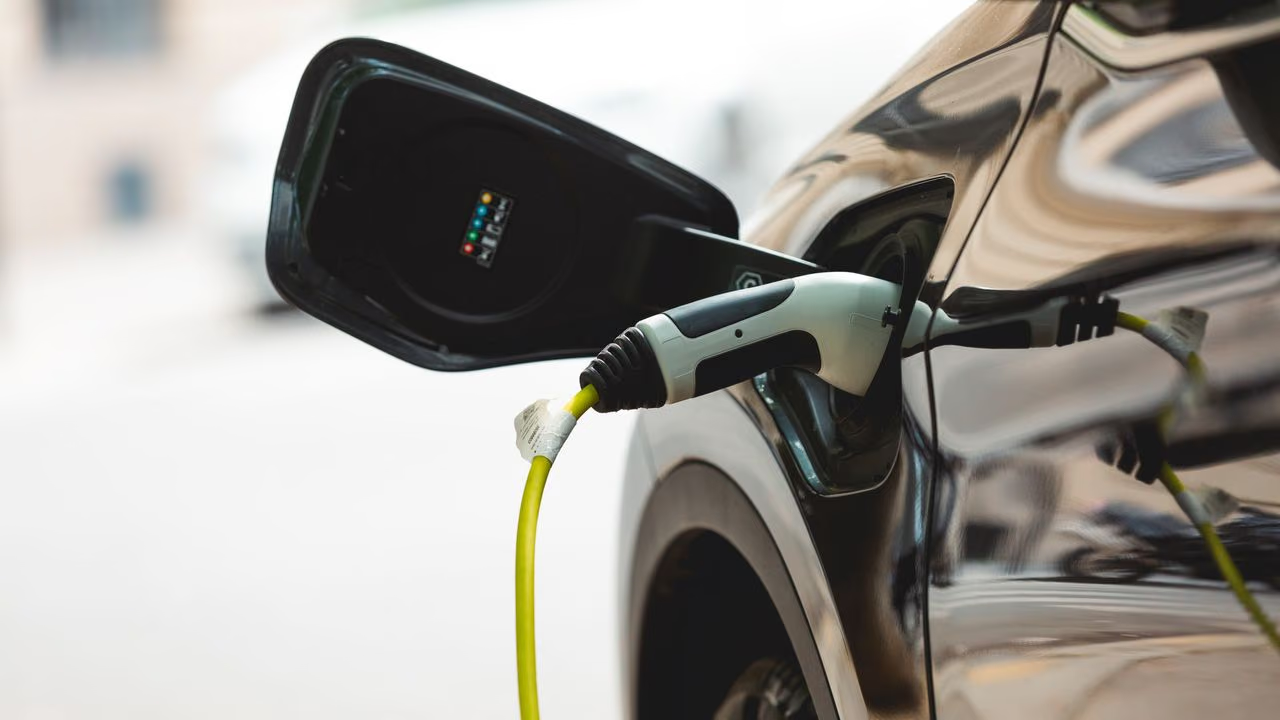
EV Charging Network Management: Ensuring Scalability, Interoperability, and Integration
As the popularity of electric vehicles (EVs) continues to rise, the need for a well-managed and efficient charging network becomes increasingly important. EV charging network management involves various aspects, including scalability, interoperability, and integration. In this article, we will delve into these key elements and explore their significance in ensuring a seamless charging experience for EV owners.
Charging Network Scalability
Scalability refers to the ability of a charging network to accommodate the growing number of EVs on the road. With the increasing adoption of electric vehicles, it is crucial for charging networks to be scalable to meet the rising demand for charging infrastructure.
One way to achieve scalability is by deploying a sufficient number of charging stations across different locations. This ensures that EV owners have convenient access to charging facilities, reducing the likelihood of long queues or unavailability of charging spots. Additionally, charging network operators should consider the future growth of EVs and plan for expansion accordingly.
Moreover, scalability also involves the ability to handle higher charging loads. As EV battery capacities increase, faster charging speeds are becoming more prevalent. Charging networks need to be designed to support these higher power levels to minimize charging time and improve the overall charging experience.
Charging Network Interoperability
Interoperability is a crucial aspect of EV charging network management. It refers to the ability of different charging stations and EVs to communicate and interact seamlessly. Interoperability ensures that EV owners can charge their vehicles at any charging station, regardless of the charging network operator or the vehicle brand.
Standardization plays a vital role in achieving interoperability. Common charging standards, such as the Combined Charging System (CCS) and CHAdeMO, enable EVs to connect to various charging stations without compatibility issues. Charging network operators should prioritize the adoption of these standardized protocols to ensure a hassle-free charging experience for EV owners.
Furthermore, interoperability also extends to payment systems. EV owners should be able to use a single payment method, such as a mobile app or RFID card, across different charging networks. Simplifying the payment process enhances convenience and encourages the widespread use of EVs.
Charging Network Integration
Integration involves the seamless integration of EV charging infrastructure with other systems and services. This includes integrating charging stations with renewable energy sources, smart grid technologies, and energy management systems.
Integrating charging stations with renewable energy sources, such as solar or wind power, promotes sustainable charging practices. EV owners can charge their vehicles using clean energy, reducing their carbon footprint and contributing to a greener future.
Smart grid integration allows charging stations to communicate with the power grid, enabling dynamic charging management. This means that charging stations can adjust their power consumption based on the grid’s load and availability of renewable energy. It helps prevent grid overload and ensures efficient utilization of energy resources.
Energy management systems can also be integrated with charging networks to optimize charging schedules and load balancing. These systems can analyze electricity prices, demand patterns, and other factors to determine the most cost-effective and efficient charging strategies.
Conclusion
Efficient EV charging network management is essential for the widespread adoption of electric vehicles. Scalability, interoperability, and integration are key elements that contribute to a seamless charging experience for EV owners. By prioritizing these aspects, charging network operators can ensure convenient access to charging infrastructure, promote interoperability among different charging stations and EVs, and integrate charging systems with renewable energy sources and smart grid technologies.



