Evolution of Hotel Design Through Centuries
Hotels have always been more than just places to sleep. They reflect the times, cultural values, and technology that shape their design. Looking at how hotel…
By Feathers Ledbury Editorial5 min read
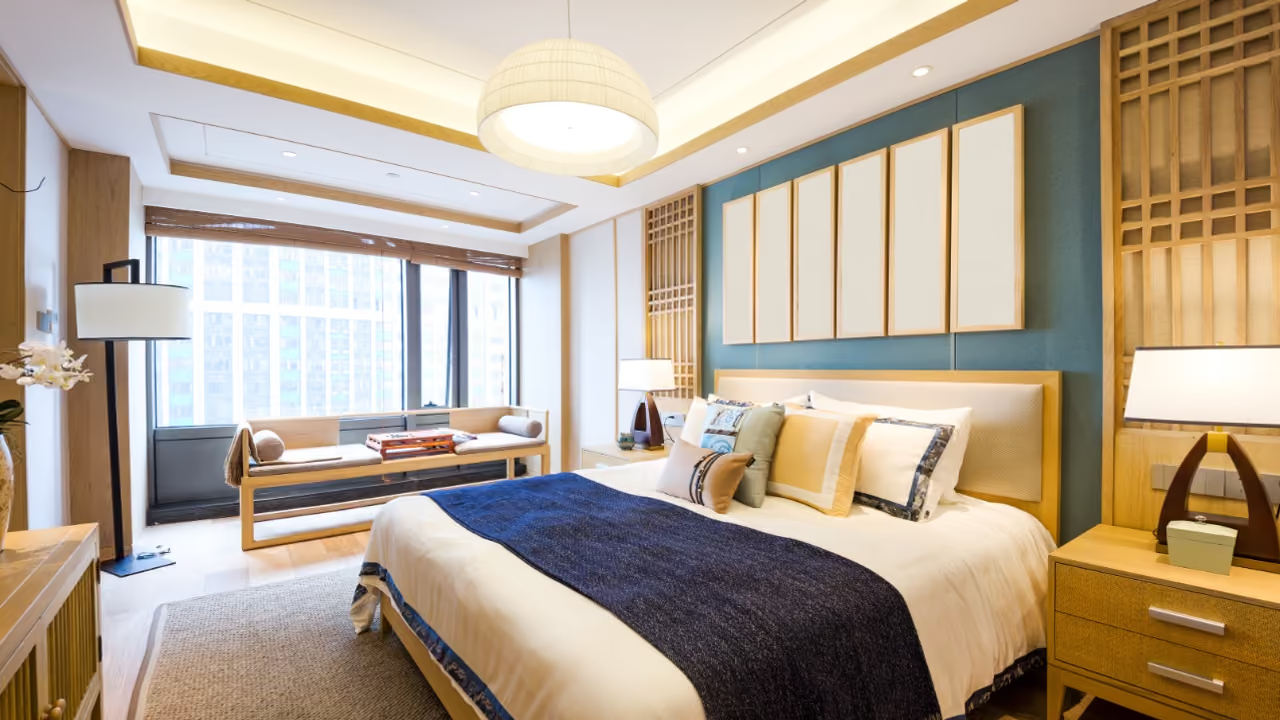
Hotels have always been more than just places to sleep. They reflect the times, cultural values, and technology that shape their design. Looking at how hotel architecture has changed over centuries reveals not only evolving aesthetics but also how the guest experience has been shaped and improved in tangible ways.
Historical Overview of Hotel Architecture Styles
Hotels have mirrored society’s shifts and tastes for centuries. In the Roman Empire, grand inns called tabernae served travelers along busy trade routes, offering basic shelter but also social spaces where people exchanged news and goods. The Renaissance brought palatial hotels that displayed wealth and power, often designed as extensions of aristocratic residences. These early hotels were as much about status as comfort.
By the 18th and 19th centuries, European hotels often embraced neoclassical and Victorian styles. These buildings aimed to impress with lavish facades, grand staircases, and rich interiors that spoke of luxury and exclusivity. The Hôtel de Crillon in Paris, for example, showcased ornate detailing and opulent ballrooms that catered to the elite. Such hotels were designed to be destinations in themselves, places where guests could see and be seen.
When travel became easier during the Industrial Revolution, railway hotels emerged with a new focus. Functionality took the lead, with designs made to handle many guests efficiently near train stations. The Midland Grand Hotel in London combined Gothic Revival style with practical innovations like electric lighting and elevators, signaling a shift toward modern hospitality. The early 20th century’s Art Deco style introduced sleek lines and geometric shapes. This style suggested progress and modern sophistication, moving away from heavy ornamentation. The Chrysler Building’s influence extended even into hotel design, emphasizing streamlined luxury and the machine age’s optimism.
How Modern Design Enhances Functionality and Comfort
Today’s hotel design balances looks with guest comfort in ways previous eras could only hint at. Clean lines, open spaces, and natural light create calm atmospheres that help guests decompress. Architects think carefully about how guests move through spaces, making layouts easy to understand and use. This reduces confusion and helps guests feel at ease from check-in to checkout.
Comfort now goes beyond soft beds and stylish decor. Technology plays a big role. Many hotels use smart room controls that let guests adjust lighting, temperature, and even window shades with a tap on their smartphones or voice commands. Soundproofing keeps rooms quiet despite urban noise, and ergonomic furniture supports long stays, recognizing that many travelers now combine business with leisure. Public areas are designed to fit different moods—some encourage socializing with communal tables and lively bars, while others offer quiet nooks with plush seating for reading or remote work. This shows a clear understanding that guests want different experiences depending on their needs and moods.
Hotels also pay close attention to sensory design. Lighting is layered to create warmth and comfort, while materials like wood and stone add tactile richness. Scents are carefully chosen to evoke calm or energy, subtly enhancing the atmosphere. These details, often overlooked, contribute significantly to how guests feel during their stay.
The Role of Sustainability in Contemporary Hotel Design
Sustainability drives many hotel designs today, moving beyond buzzwords to concrete actions. Architects choose materials and systems that cut energy use and waste, often aiming for certifications like LEED and BREEAM that set rigorous environmental standards. These certifications push for lower carbon footprints, smarter water use, and better indoor air quality.
Features like natural ventilation, solar panels, and green roofs are becoming common. For instance, the Proximity Hotel in North Carolina uses solar energy to cover nearly half its power needs and recycles 75% of its construction waste. Hotels also use local and recycled materials to reduce environmental impact, supporting regional economies and cutting transportation emissions. These choices don’t just help the planet—they make hotels healthier and more pleasant for guests. Many now include biophilic design elements, such as indoor gardens, living walls, and natural textures like bamboo and cork. These features help guests relax and feel connected to nature, which studies show can reduce stress and improve well-being.
Future Trends in Hotel Architecture and Guest Experience
Looking ahead, hotel design will lean heavily on technology, personalization, and sustainability. One trend gaining momentum is adaptive reuse—turning old factories, schools, or office buildings into hotels. This blends history with modern comfort and creates unique places to stay that tell a story. The Ace Hotel chain, for example, has transformed historic buildings into vibrant cultural hubs that attract locals and travelers alike.
- Smart Architecture will use AI systems to adjust lighting, temperature, and even scents based on each guest’s preferences, learned over time. This creates a highly personal stay that anticipates needs before guests even ask.
- Modular and Flexible Spaces will let hotels change room layouts and public areas quickly. Walls might slide or fold away to create larger suites or intimate corners, helping serve different group sizes and needs without losing style or comfort.
- Immersive Experiences will bring augmented reality and interactive features into hotel spaces. Guests might explore virtual art galleries, access historical overlays of the building, or engage with digital concierge services that blend seamlessly into the environment, making stays more memorable and engaging.
- Community Integration will blur the line between hotel guests and locals. Hotels will offer spaces that serve both groups, such as coworking hubs, farmers markets, or cultural events, encouraging cultural exchange and boosting local economies. This approach recognizes that travelers increasingly seek authentic experiences rooted in place.
Hotel architecture has moved far beyond just providing shelter or luxury. It now shapes experiences that touch guests physically, emotionally, and environmentally. As the industry changes, so does the way designers create spaces to meet the complex needs of today’s travelers, blending history, innovation, and responsibility in every detail.