Smart Hotels Changing Guest Experiences
Hotels are no longer just places to sleep; they are evolving into smart environments that anticipate and adapt to the needs of their guests. Integrating…
By Feathers Ledbury Editorial3 min read
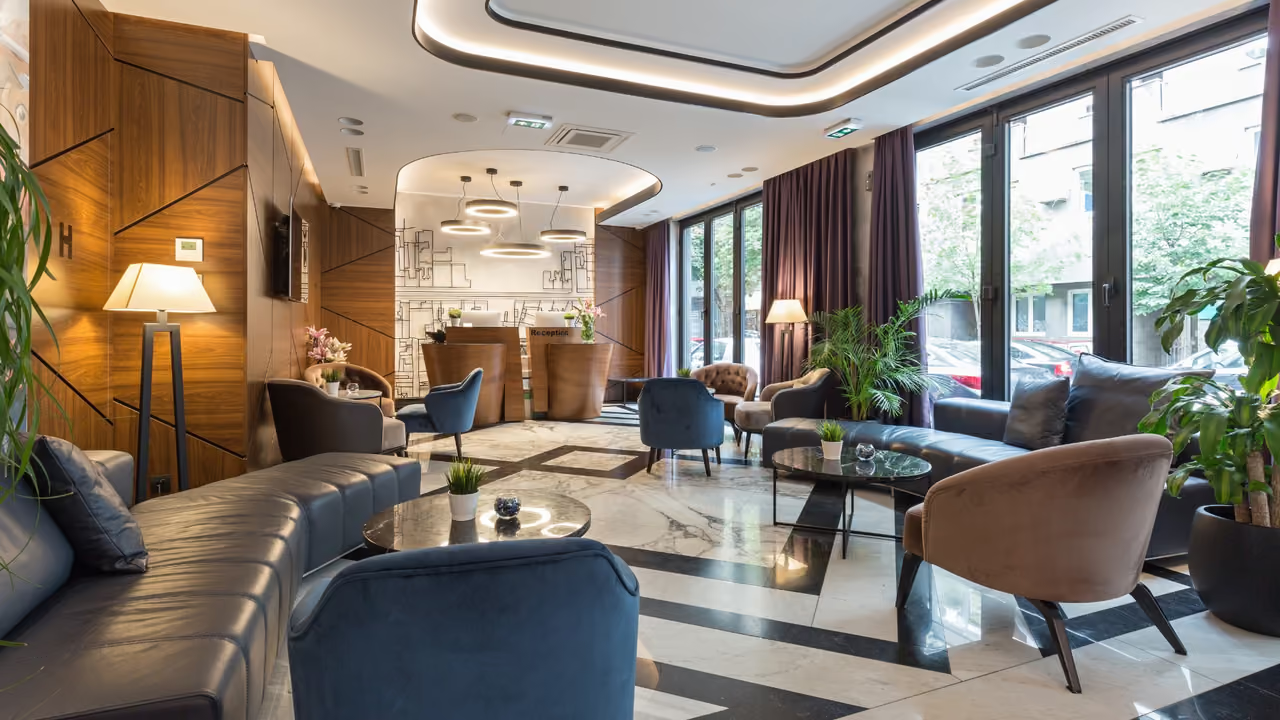
Hotels are no longer just places to sleep; they are evolving into smart environments that anticipate and adapt to the needs of their guests. Integrating cutting-edge technology, these accommodations are redefining comfort and efficiency through innovation.
The rise of smart room features from voice control to personalized settings
Walk into a modern hotel room today, and you might find yourself greeted not just by a welcome note but by a room that knows your preferences. Smart technology is transforming guest rooms with features like voice-activated assistants, allowing guests to adjust lighting, temperature, and even request services without lifting a finger.
Personalization is at the heart of these smart features. Hotels are using data from previous stays or guest profiles to tailor room settings to individual tastes. From the perfect room temperature to preferred TV channels or even the type of music playing when you enter, these automated adjustments create a seamless experience that feels bespoke.
Beyond voice control, smart thermostats and lighting systems enable guests to control their environment through mobile apps, granting convenience while also promoting energy efficiency. Automated curtains, adjustable beds, and smart mirrors with integrated displays are becoming standard in high-end properties, turning ordinary rooms into interactive spaces.
Enhancing security and convenience with smart access solutions
Security remains a top priority in hospitality, and smart technology is revolutionizing how hotels manage access. Traditional keycards are rapidly being replaced by mobile keys that guests can use via their smartphones. This not only reduces plastic waste but also adds layers of security through encryption and remote access control.
Smart locks can be programmed to deactivate automatically after a guest checks out, minimizing the risk of unauthorized entry. Some hotels integrate facial recognition or biometric systems for an even more secure and frictionless entry experience, eliminating the need for physical keys altogether.
These systems also improve convenience for guests who no longer have to wait in lines to check in or out. Remote check-in through apps lets guests access their rooms immediately upon arrival, streamlining the entire process.
Operational benefits how smart tech streamlines hotel management
Smart technology is not just about guest-facing features; it’s a powerful tool for hotel operators to boost efficiency and cut costs. IoT sensors placed throughout the property monitor everything from energy consumption to equipment status in real time.
For example, smart HVAC systems adjust heating and cooling based on occupancy, saving energy when rooms are empty. Predictive maintenance alerts staff to potential issues before they become costly repairs, reducing downtime and improving guest satisfaction.
Inventory management also benefits from automation. Smart systems track linen use, minibar restocks, and housekeeping schedules, ensuring staff allocate time and resources where they’re most needed. This data-driven approach enables hotels to optimize labor costs while maintaining high standards.
Front desk operations gain a boost too, with AI-powered chatbots handling routine inquiries and bookings, freeing human staff to focus on personalized service. This blend of automation and human touch creates a more agile and responsive operation.
The future outlook integrating AI and IoT for next-level guest experiences
Looking ahead, the integration of artificial intelligence (AI) and the Internet of Things (IoT) promises to elevate hotel stays to unprecedented levels. AI can analyze vast amounts of guest data to predict needs and preferences, offering suggestions or services before a request is made.
IoT devices will communicate seamlessly with each other, creating a fully connected environment where everything from room ambiance to dining options adjusts dynamically. Imagine a room that senses your mood through biometric feedback and changes lighting and music accordingly, or a concierge robot that navigates the hotel to deliver your orders in minutes.
Voice assistants will become more intuitive, understanding context and natural language nuances, allowing for complex multi-step requests without frustration. Hotels will also leverage AI for dynamic pricing, personalized promotions, and crowd management to enhance guest comfort and satisfaction.
Ultimately, these technologies will blur the lines between physical and digital hospitality, crafting experiences that are not only comfortable and efficient but surprisingly human in their responsiveness.